Source Moisturizing Vitamin C Foot Mask for Dry Skin Care
Explore 30 options for a moisturizing vitamin c foot mask designed for adult foot care. Compare features like whitening, exfoliating, and anti-aging benefits across various models and ingredient profiles to find suitable suppliers for your business needs; compare the available evidence and request quotations based on your requirements.
Key considerations
Products List
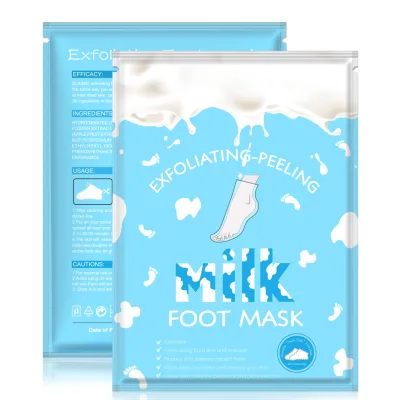
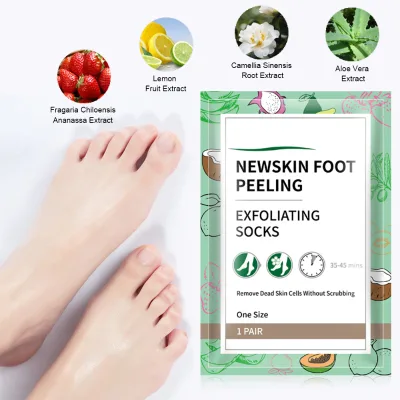
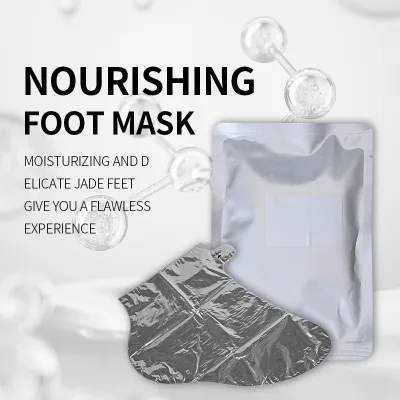
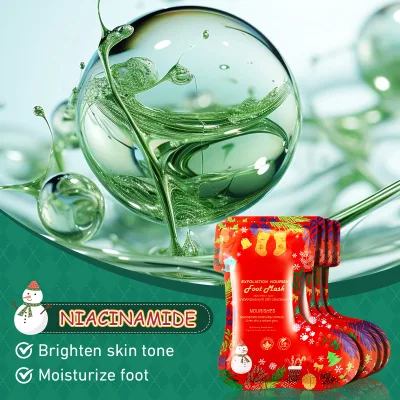


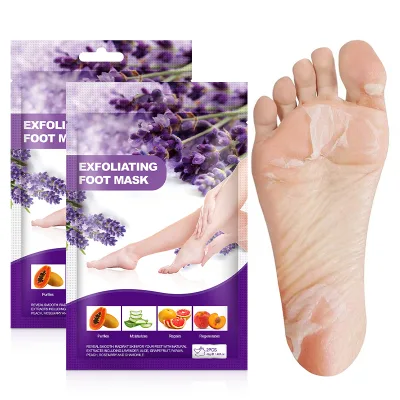


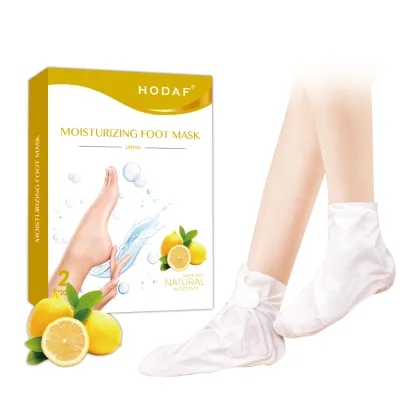
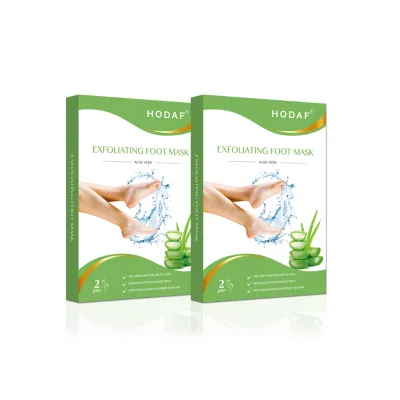
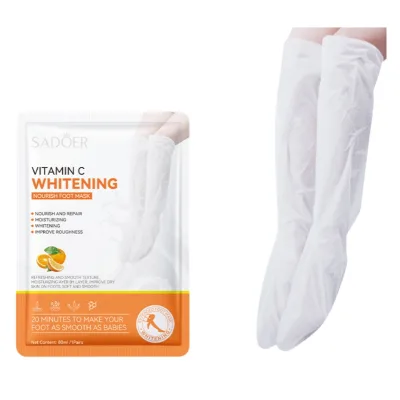


Comprehensive Sourcing Guide
Moisturizing Vitamin C Foot Mask Sourcing Guide
Buyers seeking moisturizing vitamin C foot masks must first distinguish between general foot care products and those specifically formulated for exfoliation and whitening. The observed market data indicates a strong focus on peeling and exfoliating functions, often combined with moisturizing and whitening properties to address dry, cracked skin. Sourcing decisions should prioritize products that explicitly list these functional attributes, as many listings conflate general hydration with active chemical exfoliation.
Procurement teams should verify that the product form matches the intended application, as the data shows a prevalence of sheet masks and specific foot mask formats. While some listings mention silk materials, others describe standard sheet forms, requiring clear definition in the purchase order. Buyers must ensure the selected product aligns with the specific goal of treating foot skin, as the ingredient profiles and functional claims vary significantly between general skincare and targeted foot treatments.
Product Scope and Observed Listing Signals
The core product scope centers on foot care treatments designed for daily use, with a primary target audience of adults. Listings frequently highlight ingredients such as herbal tea, organic extracts, and specific actives like hyaluronic acid and vitamin C to support moisturizing and whitening goals. Buyers should scrutinize the ingredient lists to confirm the presence of these key components, as some variations may include additional elements like aloe vera, collagen, or glycerin that alter the product's efficacy profile.
Commercial signals in the market reveal a wide range of customization options, including customized logos, colors, and scents tailored to OEM requirements. The observed selling units often appear as single items, yet bulk packaging standards vary from 2 packs to 5 packs depending on the supplier. Procurement strategies must account for these variations in packaging standards and the availability of custom color options to ensure the final product meets brand identity requirements without compromising the core moisturizing function.
Technical Specifications to Verify
Technical verification begins with confirming the physical specifications, particularly the weight and volume of the product, which range from 35ml to 40ml in observed listings. Buyers must explicitly define the required volume in their specifications, as discrepancies between 35ml and 40ml can impact the dosage of active ingredients like lactic acid or malic acid. Additionally, the model numbers such as 0429, FPM, or MBM00 serve as critical identifiers for distinguishing between different formulations and batch consistency.
Shelf life and storage stability are critical technical parameters that require confirmation, with observed data indicating a standard shelf life of two years. Buyers should verify the specific storage conditions and the stability of the vitamin C and other active ingredients over this period. The presence of alcohol and glycerol in some formulations necessitates a review of the ingredient compatibility to ensure the product remains effective and safe for the intended duration of use without degradation.
Compliance and Safety Documentation
Regulatory compliance is paramount when sourcing foot masks, as the market data confirms the presence of certifications such as CE, GMP, and MSDS. Buyers must request valid certificates for these specific standards to ensure the manufacturing facility adheres to Good Manufacturing Practices and that the product safety data sheets are up to date. The absence of these documents should be treated as a critical red flag, as they provide essential evidence of the product's safety and the supplier's adherence to international quality norms.
Ingredient safety and ethical sourcing are equally important, with many listings claiming organic, vegan, and cruelty-free status. Procurement teams should verify these claims through third-party testing or supplier declarations, as the ingredient lists often include complex mixtures like peach kernel, jojoba oil, and various acids. Ensuring that the product is free from prohibited substances and meets the specific regulatory requirements of the target market is essential for avoiding legal liabilities and maintaining brand integrity.
Cost Drivers and Commercial Terms
Cost structures for moisturizing vitamin C foot masks are influenced by the complexity of the ingredient profile and the level of customization required. Products featuring organic, herbal, and specialized actives like vitamin C and hyaluronic acid typically command higher prices than basic formulations. Buyers should analyze the cost per unit against the observed price range of 0.24 to 7.5 USD, understanding that significant variations often reflect differences in ingredient quality, packaging, and the extent of OEM customization.
Minimum Order Quantities (MOQ) present a significant variable in commercial terms, with observed ranges spanning from 10 to 10,000 units. Small buyers may find the lower end of this spectrum accessible, but larger orders often unlock better pricing tiers and more favorable payment terms. It is crucial to negotiate MOQs that align with inventory capacity and sales forecasts, as the flexibility of the supplier to accommodate different order sizes can significantly impact the overall supply chain efficiency and cash flow.
Supplier Qualification and Quality Control
Supplier qualification requires a rigorous assessment of the manufacturing capabilities, particularly regarding the ability to handle customized logos, colors, and scents. Buyers should verify the supplier's experience with OEM projects and their capacity to maintain consistency across different production batches. The presence of specific model numbers and standardized packaging suggests a mature production line, but direct verification of the supplier's quality control processes is necessary to ensure these standards are consistently met.
Quality control protocols must extend beyond the final product to include raw material inspection and in-process monitoring. Given the diverse ingredient lists ranging from mineral and herbal tea to synthetic acids, suppliers must demonstrate robust testing procedures for each batch. Buyers should request sample testing results and audit reports to confirm that the final product matches the specified formulation, ensuring that the moisturizing and exfoliating functions are delivered as promised without batch-to-batch variability.
Long-Term Procurement Checks
Establishing a long-term partnership requires regular performance reviews and continuous quality assurance checks to maintain product consistency. Buyers should implement a schedule for periodic re-testing of the moisturizing vitamin C foot masks to verify that the active ingredients remain stable and effective over time. This proactive approach helps identify any potential drift in formulation or manufacturing quality before it impacts the end consumer or leads to product recalls.
Market dynamics and regulatory landscapes are subject to change, necessitating ongoing monitoring of compliance requirements and ingredient restrictions. Procurement teams must stay informed about updates to safety standards and consumer preferences, particularly regarding organic and vegan claims. Maintaining open communication with suppliers and conducting regular audits ensures that the supply chain remains resilient and capable of adapting to new challenges while delivering high-quality foot care solutions.
FAQs
What ingredients are in the moisturizing vitamin c foot mask?
The formula typically contains hyaluronic acid, vitamin C, aloe vera, and collagen for deep hydration and brightening. Some versions also include herbal tea, peach kernel, and jojoba oil. These natural components work together to exfoliate dead skin, moisturize dry feet, and improve overall foot skin texture effectively.
Can I customize the logo and packaging for bulk orders?
Yes, customized logos and packaging are available for bulk purchases. Buyers can select specific colors and request custom packing configurations to match their brand identity. This flexibility supports private labeling strategies, allowing businesses to create unique product presentations while maintaining the core moisturizing and whitening benefits of the foot mask.
What certifications do these foot masks hold?
These products generally hold CE, GMP, and MSDS certifications, ensuring compliance with international safety and manufacturing standards. These credentials verify that the production processes meet rigorous quality controls. Buyers can rely on these documented standards when sourcing for markets with strict regulatory requirements for personal care and cosmetic products.
What is the typical shelf life of the foot mask?
The standard shelf life is two years from the date of manufacture. This duration ensures the efficacy of active ingredients like vitamin C and hyaluronic acid remains stable. Buyers should store the masks in a cool, dry place to maintain product integrity and ensure optimal performance when applied to the feet.
Which skin types are suitable for this foot care treatment?
This treatment is primarily designed for adult skin types, particularly those that are dry or require intensive moisturizing. The exfoliating and whitening functions help address rough heels and dull skin tones. It is suitable for daily foot care routines aimed at improving skin texture and maintaining overall foot health.
What is the minimum order quantity for these masks?
The minimum order quantity typically ranges from 10 to 10,000 units, depending on the supplier and customization level. This flexible MOQ allows both small businesses and large retailers to place orders that fit their inventory needs. Buyers should confirm specific MOQ requirements with manufacturers to ensure alignment with their procurement strategy.